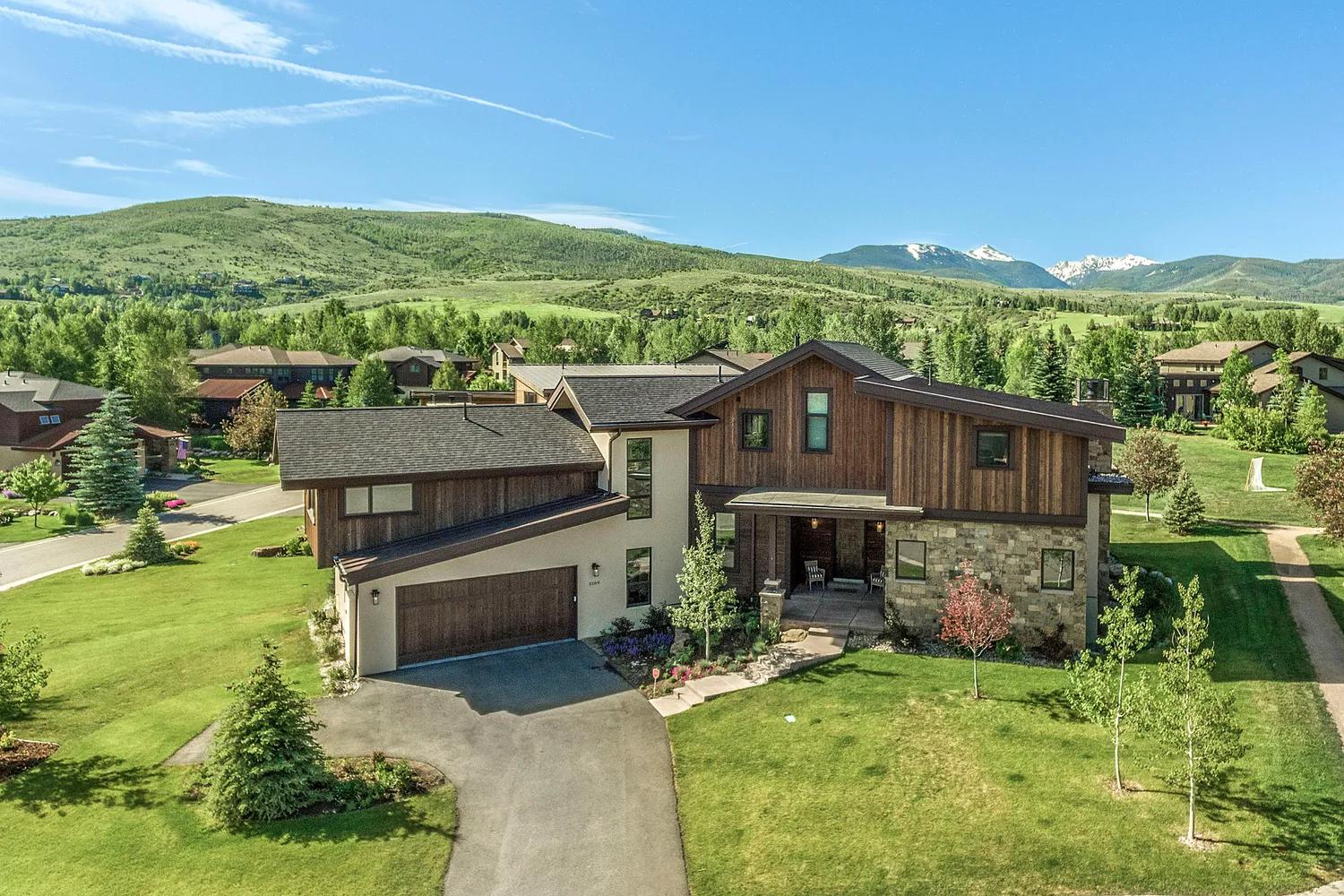
Quick answer: In the Vail Valley, the smart home systems that actually earn their cost are the ones solving mountain-specific problems: automated snowmelt control for driveways and walkways, remote freeze and leak monitoring for the many homes that sit vacant part of the year, and reliable remote heating control. General home-automation extras (lighting scenes, voice assistants) are nice-to-haves layered on top - the load-bearing systems are the ones protecting the house and its occupants against altitude and vacancy risk.
Here's what to prioritize, what to skip, and what connectivity realities to plan around before wiring a system into a Vail Valley build or remodel. Our our-process page covers where technology planning fits into a build sequence, and our services page lists where smart systems integration falls within our full scope.
Why Smart Home Priorities Are Different Here
Most smart home marketing is built around convenience - lighting, music, voice control. In the Vail Valley, the highest-value systems are the ones that prevent expensive, altitude-specific failures in homes that are frequently unoccupied:
- A large share of Eagle County properties are second homes or short-term rentals, sitting empty for weeks between owner visits or guest stays.
- Freeze risk here is real and fast-moving: a heating failure or power outage during a hard cold snap can freeze and burst pipes within hours, not days.
- Snow and ice management (driveways, walkways, roof edges) is a recurring, weather-triggered maintenance task that automation handles far better than a manual schedule.
Priority Systems, Ranked
1. Freeze and Leak Monitoring - Highest Priority
Remote temperature sensors and water-leak detectors, tied to a monitoring service or app alert, are the single highest-value smart system for a Vail Valley home, occupied or not. Catching a failing furnace or a slow leak within hours rather than weeks is the difference between a service call and a full remediation project.
2. Remote Heating and HVAC Control
Being able to verify and adjust heat remotely - and get an alert if a zone drops below a set threshold - directly protects against the freeze risk above. This matters even more in homes with altitude-adjusted mechanical systems, which we cover in Building at Altitude: Mountain Construction Challenges Unique to Vail.
3. Automated Snowmelt Systems
Snowmelt for driveways, walkways, and entry steps is one of the most common high-value smart integrations in this market - automated activation based on temperature and moisture sensors (rather than manual on/off) saves real energy cost over a full season and reduces ice-related liability on steep mountain driveways.
4. Remote Access and Security Monitoring
Video monitoring and remote-access locks matter more here than in a typical suburban home because owners and property managers are frequently offsite, and rental turnover means keyed access needs to change between guests without a locksmith visit.
5. Lighting, Climate Comfort, and Voice Control
Genuinely nice, but these are convenience layers, not risk-mitigation systems - they're worth including in a build or remodel's electrical rough-in plan, but shouldn't compete for budget against freeze monitoring or snowmelt control.
Connectivity: The Real-World Constraint
Cloud-connected smart systems are only as reliable as the property's internet and cellular signal, and that's a genuine variable in this market - steep, tree-covered lots and rural stretches of Eagle County can have inconsistent broadband and spotty cellular backup. Before finalizing a smart home plan:
- Confirm actual broadband availability at the specific lot, not just the general area.
- Plan for a cellular backup/failover on critical systems (freeze monitoring, security) in case of an internet outage - which is exactly when you most need the alert.
- Favor systems with local/on-device alerting in addition to cloud notification, so a monitoring failure doesn't create a false sense of security.
Building Smart Systems Into a New Home or Remodel
The cheapest time to wire for a comprehensive smart home system is during initial construction or a full remodel, when conduit, low-voltage wiring, and sensor placement can be planned into walls and mechanical rooms rather than retrofitted. This is worth raising early with your our-team point of contact if you're planning a custom build - see Custom Home vs. Spec Home: What's Right for Your Vail Valley Property? for how design-phase decisions like this fit into the broader custom-build process.
Talk to a Builder Who Plans for the Mountain-Specific Risks
We build smart system infrastructure into new construction and remodels across the Vail Valley with an eye toward what actually protects a home that sits empty part of the year. Connect with us to talk through what makes sense for your property, or browse our portfolio for finished work.
Related reading: