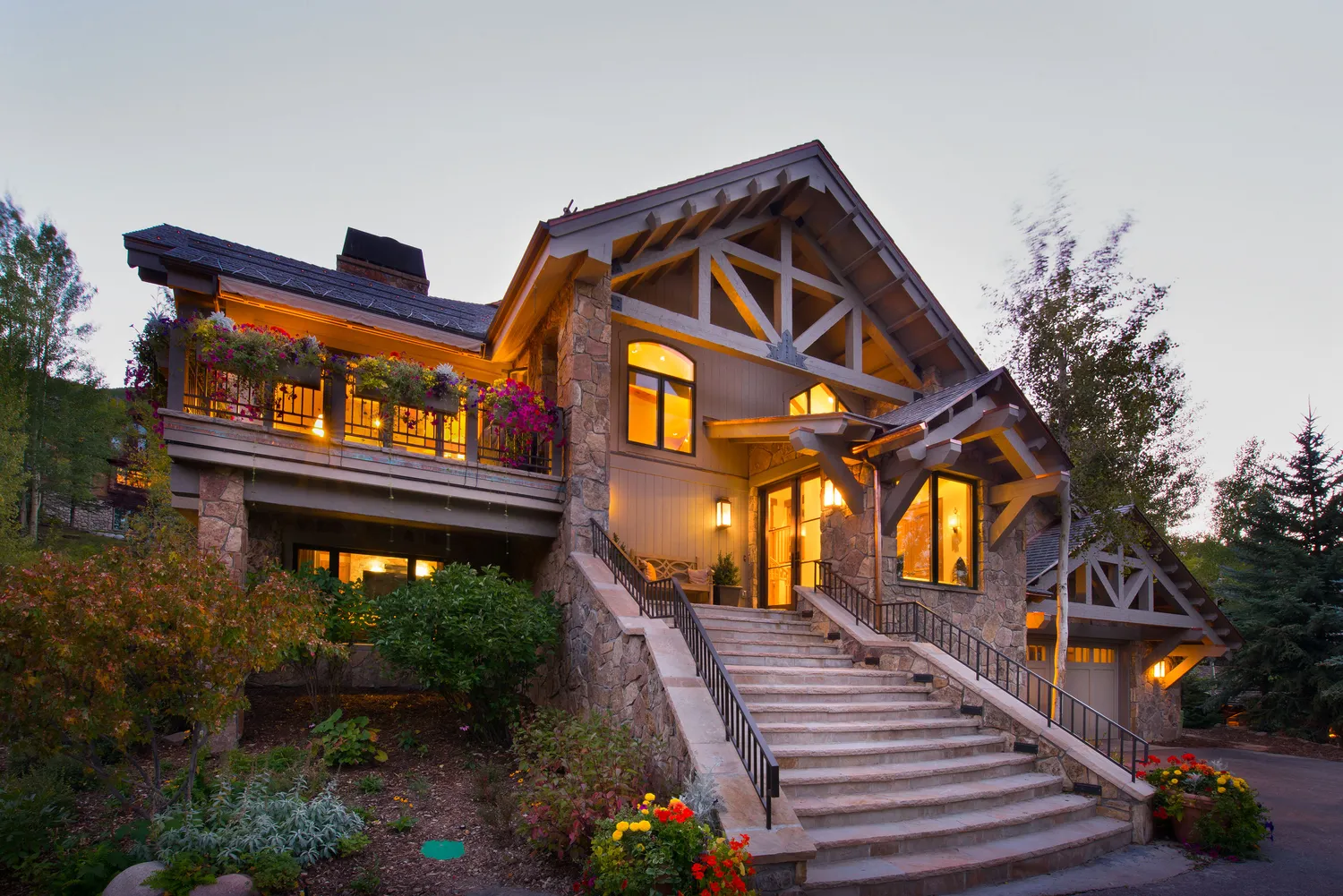
Quick answer: Energy-efficient building in the Vail Valley centers on higher-performance building envelopes (insulation and air sealing beyond code minimum), altitude-rated high-performance windows, mechanical systems properly sized for elevation, and - where the lot allows - passive solar orientation. Because heating demand dominates energy use in this climate, envelope and mechanical decisions typically matter more here than they would in a milder climate, and they pay back over a long cold-winter lifespan.
Here's what actually moves the needle on efficiency and sustainability in mountain construction, and where the tradeoffs are. Our services page covers our approach to high-performance building, and our about-us page has more on our background building specifically in this climate.
Why Efficiency Math Is Different at Altitude
Vail Valley homes face a long heating season, cold nights even in shoulder seasons, and intense solar gain on clear high-altitude days - sometimes both in the same 24 hours. That combination changes which efficiency investments pay off fastest. Building envelope quality (insulation, air sealing, window performance) tends to have outsized impact here because heating, not cooling, dominates the energy bill for most of the year.
Building Envelope: Where the Biggest Gains Are
- Insulation beyond code minimum in walls, roof, and foundation reduces heating load directly and is one of the more cost-effective upgrades available at the framing stage, when it's cheapest to add.
- Air sealing matters as much as insulation R-value - a well-insulated but leaky envelope still loses significant heat through infiltration, especially under the wind exposure common on mountain sites.
- High-performance windows with strong U-factor ratings and gas-filled glazing reduce heat loss at what is typically the weakest point in any envelope. We cover window selection in more material-specific detail in Choosing Materials That Survive Colorado Winters.
Passive Solar Design
Where lot orientation allows, positioning main living spaces and glazing to capture low-angle winter sun - combined with thermal mass like concrete or stone flooring that absorbs and slowly releases heat - can reduce heating demand meaningfully. This has to be balanced against view priorities (a lot's best views aren't always south-facing) and summer solar gain, which is why it's a design-stage decision, not a retrofit. For homes where view orientation and window layout are the primary design driver, see Maximizing Views: Window Layout and Design.
Mechanical Systems Sized for Elevation
HVAC and combustion appliances perform differently above 7,000 feet, and equipment needs altitude-adjusted sizing to run efficiently rather than just adequately. Two approaches are common in this market:
| System | Fit for Mountain Climate |
|---|---|
| Radiant floor heat (boiler or heat pump-driven) | Heats the mass of the home, holds temperature well through cold nights, pairs naturally with stone/concrete floors |
| Properly sized heat pump systems | Increasingly viable at altitude with cold-climate-rated equipment; efficient when sized correctly for elevation |
| Under-sized standard furnace/boiler (common mistake) | Runs harder and less efficiently than its rating suggests; a frequent retrofit issue in homes built by out-of-market contractors |
Under-sizing mechanical systems for altitude is one of the most common - and expensive to correct after the fact - mistakes we see, whether in custom builds or spec inventory.
Solar Electric and Renewable Options
Rooftop solar is increasingly common in the valley, though snow load, roof orientation, and HOA aesthetic guidelines all factor into feasibility and placement more than in a typical suburban build. Panel mounting has to account for the same structural snow-load engineering that governs the roof itself, and many HOAs have specific design review requirements for visible solar arrays.
Smart Systems and Efficiency
Zoned heating controls, smart thermostats, and monitoring systems help manage energy use efficiently in homes that may sit unoccupied for stretches between owner visits or rental turnovers - a genuinely mountain-market consideration that differs from full-time primary residences. We cover smart-home integration more broadly in Smart Home Tech for High-Altitude Living.
Weighing Upfront Cost Against Long-Term Value
Higher-performance envelopes, windows, and mechanical systems typically cost more upfront than code-minimum construction. Given how much of the annual energy budget in this climate goes to heating, that upfront investment often makes sense over the life of the home - though the right level of investment depends on budget, how the home will be used, and how long the owner plans to hold it.
Connect with us to talk through efficiency priorities for your specific site and budget, or browse our portfolio to see high-performance builds we've completed across the valley.
Related reading: